
Report Your License Every 3 Years, or It Gets Suspended -- Korea's Medical License Reporting System and Continuing Education
It's easy to assume that once a doctor, nurse, or dentist earns a license, it stays valid for life. In reality, the license only keeps its legal effect if the holder periodically "reports" their status to the government. Every year, some medical professionals miss this deadline without realizing it and end up caught off guard. Even if you're not a medical professional yourself, it's worth knowing about if a family member works as a nurse or care worker.
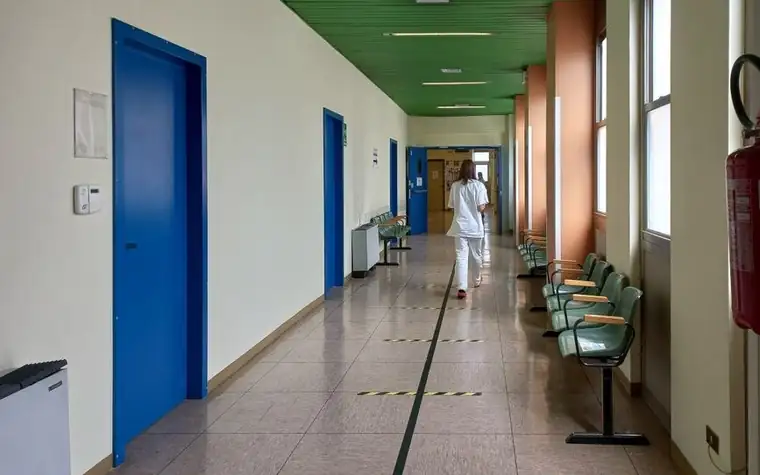
Getting the license isn't the finish line — for medical professionals, there's a 'reporting' step after that
A report every 3 years on status and employment (Medical Service Act, Article 25)
Article 25 of Korea's Medical Service Act requires medical professionals to report their status and employment situation to the Minister of Health and Welfare every 3 years after first obtaining their license. This is known as the "medical license reporting system." The items reported are basic status information such as workplace, employment type, and whether the person is currently employed. In practice, professional associations like the Korean Medical Association or Korean Nurses Association often handle the reporting process, so most people simply file the report online through their association's website.
The condition for reporting — completing continuing education is required first
This isn't a report you can just file whenever and be done with it. The Minister of Health and Welfare may reject the report of any medical professional who has not completed their continuing education. In other words, before filing the report, you need to have already completed a set number of continuing education hours for that year. This education is run by each professional association or a designated training institution, and can often be completed through online courses, but the required hours and recognition standards are announced annually, so it's best to check your own association's notice directly before the reporting season.

What happens if you don't report — the license effect is suspended
This is the core of the system. If a medical professional fails to file the required report, the Minister of Health and Welfare may suspend the effect of the license until the report is filed. The license itself isn't revoked, but during the suspension period, the person cannot engage in licensed medical work. Even if you're employed at a hospital, you can't perform license-dependent duties like diagnosis or prescribing during this period — which makes the practical impact almost as serious as having the license revoked outright.
Suspension isn't a punishment — it's a 'pause' that lifts as soon as you report
Fortunately, this suspension isn't a disciplinary penalty with a fixed term like other sanctions — it's closer to a 'pause' that lifts the moment the report is filed. Once the overdue continuing education is completed and the report is submitted, the license's effect is restored. The real problem is the work gap that already occurred during the suspension, and the administrative risk of having appeared to work without a valid license from the employer's perspective. What makes this system especially risky is that people often don't realize they've missed the reporting deadline until it's already too late.
It's not just medical professionals
The structure of maintaining a license's validity through periodic continuing education or status reporting isn't unique to medical professionals. Licenses tied to public safety or welfare — such as social workers, care workers, and hazardous materials safety managers — often carry similar continuing education or periodic reporting obligations, to varying degrees depending on the overseeing ministry. If you've already thought about what to consider by field when choosing a certification to earn, it's worth checking whether that certification also comes with an ongoing maintenance obligation after you get it.

What to check right now
If you or a family member is a medical professional, the first step is to check your association's website under the "license reporting" menu to see your last reporting date and the next one due. If your continuing education hours fall short, check whether you can still complete them online before the deadline. Certifications obtained through an exam, like a licensed realtor, sometimes also require separate practical training after registration, so regardless of the type of certification, it's safer to remember that "earning it" and "being allowed to keep using it" are two separate questions. If you're pursuing a new certification through government-funded training, keeping track of your National Tomorrow Learning Card limit is also worth doing, since it may help you gauge whether future continuing-education costs could be covered as well.
Summary
①Medical professionals must report their status and employment every 3 years after obtaining their license (Medical Service Act, Article 25). ②Continuing education must be completed before the report can be filed, or the report itself may be rejected. ③Failing to report suspends the license's effect until the report is filed, blocking licensed medical work. ④The suspension lifts as soon as the report is filed, but any work gap during that period is the individual's own responsibility. ⑤Even outside medicine, safety- and welfare-related certifications may carry similar continuing-education or reporting requirements, so it's worth checking the maintenance conditions even after earning a certification. Exact reporting cycles and continuing-education recognition standards should be confirmed through your professional association or the Ministry of Health and Welfare.
All content is fact-checked under our editorial standards.